Buy and Sell Industrial Property in North Vancouver: Market Insights & Lessons

2/18/2026
Buy and Sell Industrial Property in North Vancouver: Market Insights & Lessons
Industrial Market Update: Lessons from a Recent North Vancouver Sale
Introduction
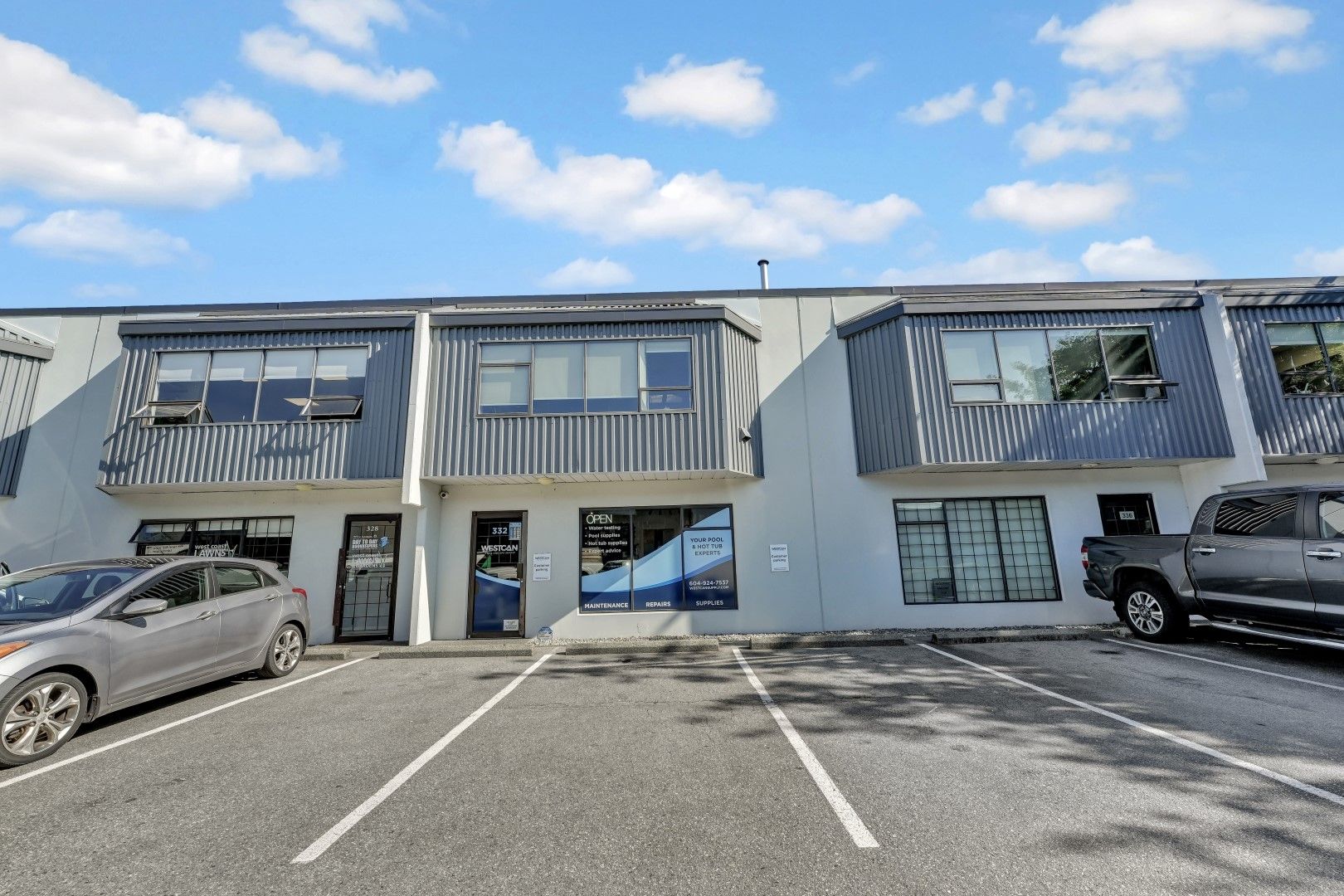
In December 2025, we successfully completed the sale of an industrial strata unit in North Vancouver - one of the most active properties we’ve listed in recent months. The property is located at 332 Harbour Avenue in North Vancouver’s Lower Lynn district, directly across from a busy shopping plaza featuring Canadian Tire, Tim Hortons, McDonald’s, and other well-known retailers. Remarkably, the property was on the market for just four weeks before we received an accepted offer, during which time we collected three competitive offers. Even after the deal was finalized, inquiries continued, demonstrating the strong demand for high-quality industrial space in the area.
Market Activity and Pricing Observations
Before accepting the offer, we conducted a thorough review of similar properties in North Vancouver - specifically units ranging from 2,000 to 4,000 SF. Many were either sold or already under contract. This highlights an important lesson for both buyers and sellers: when evaluating offers, it is critical to go beyond listing availability or asking prices and consider actual sold prices and transaction status.
The sale we completed achieved** one of the highest prices per square foot for an older industrial strata unit in North Vancouver to date**. This is notable given that most industrial asset classes in the Lower Mainland, including Surrey, Delta, and Richmond, have experienced a 15–20% price correction, with average pricing adjusting from the low $600s to the high $400s or low $500s per SF.
Key Takeaways from the Sale
1. Location is Everything
High-demand locations with limited land availability, like North Vancouver, continue to hold value even during market corrections. Comparing Campbell Heights with North Vancouver illustrates this clearly: while both markets were strong during the previous peak, North Vancouver’s scarcity of strata and land options allows high-quality properties to maintain value and long-term appreciation potential.
2. Focus on High Utility Space
End users prioritize functional warehouse space over additional mezzanine or luxury finishes. The ideal configuration includes:
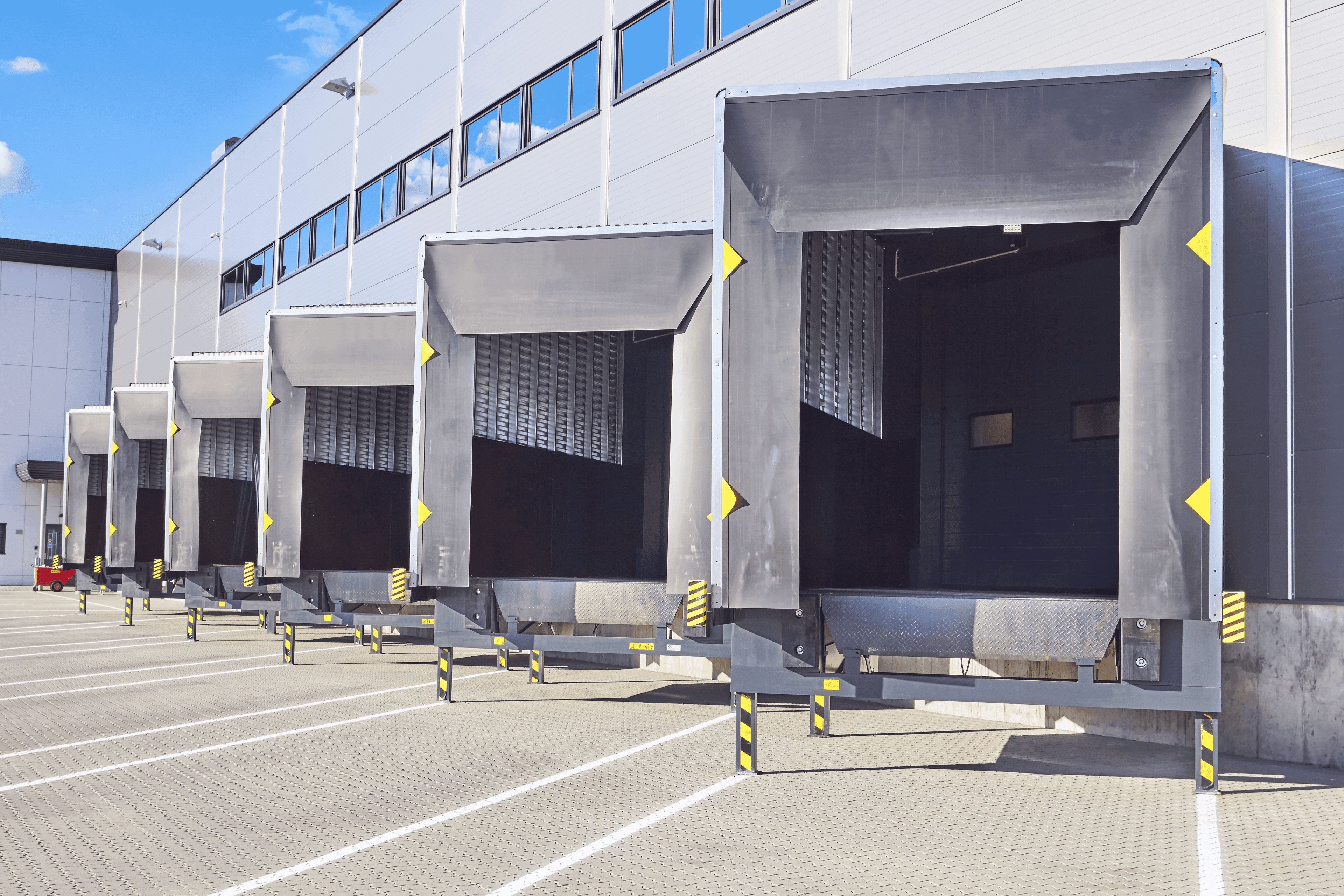
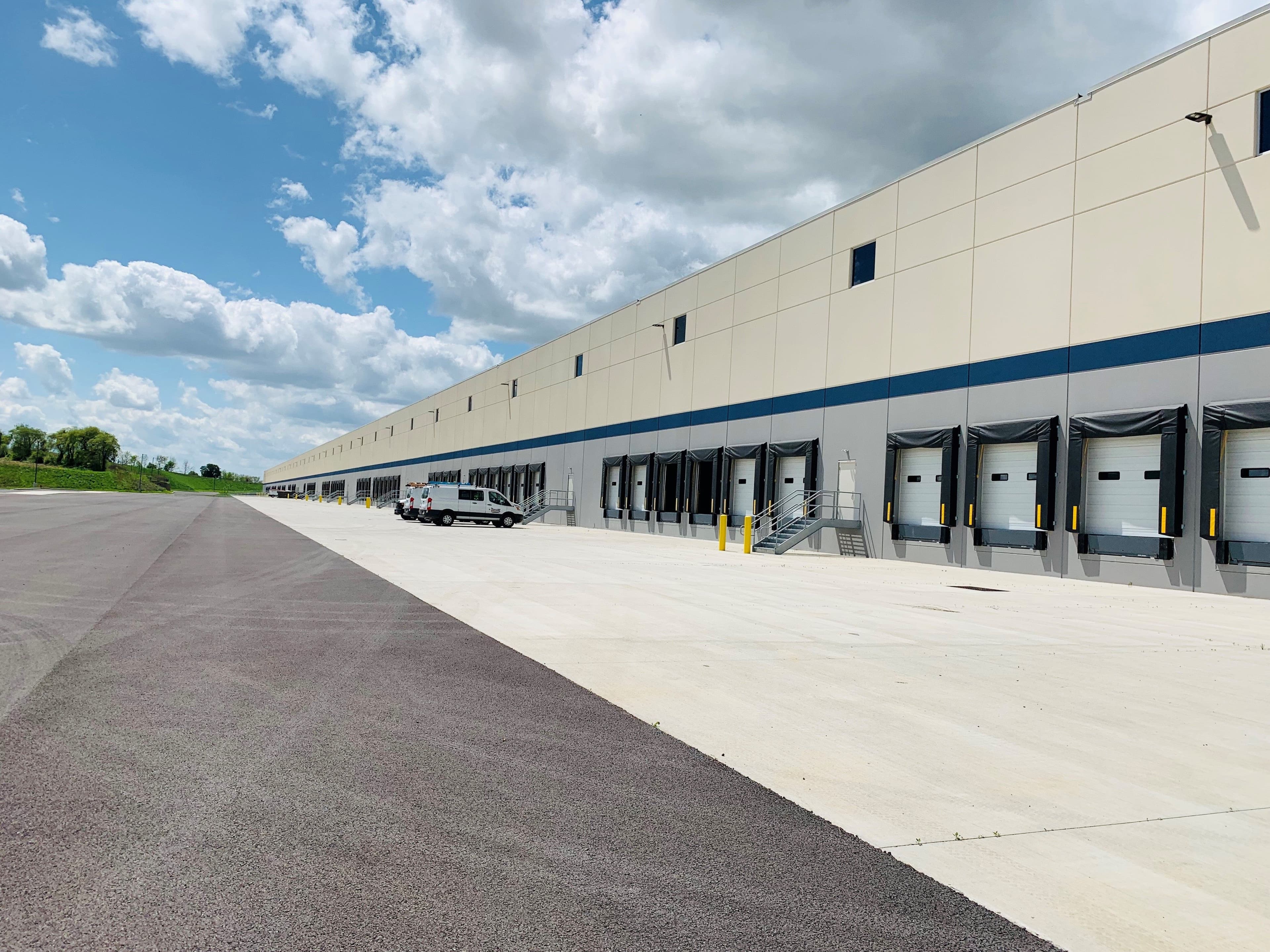
- Flexible loading options: Grade and dock-level bays accommodate a variety of operations, with smaller units often needing just one high-grade-level door
- Sufficient parking & truck access for staff and logistics needs
- Reasonable proportion between mezzanine and main floor warehouse space
For new developments, it can be challenging to make the numbers work without increasing mezzanine size, due to high land costs, development charges, and taxes. Properties with oversized mezzanines often come with a higher price per square foot, as end users are effectively paying for space they may not use. This can impact the liquidity of the project, making it less attractive compared to more efficient, well-proportioned properties.
In contrast, properties built with high-utility features - right-sized warehouse space, functional mezzanine, and flexible loading - are prioritized in slower markets and continue to attract tenants or buyers even during price corrections. In a market with many options, these efficient, thoughtfully designed properties retain value and provide better long-term liquidity.
3. Size Matters
Based on the activity we observed on this listing, there is strong demand for smaller industrial strata units in North Vancouver, typically in the 2,000–3,000 SF range with approximately 500–1,000 SF of mezzanine space. These units meet the operational needs of most industrial end users in the area while remaining financially accessible. Any new development designed to these specifications is highly likely to succeed.
In contrast, the demand patterns in municipalities such as Delta, Richmond, and Surrey are quite different. In these markets, there is stronger demand for larger industrial facilities of 90,000 SF or more to accommodate bigger users. Since there is a larger supply of smaller and mid-bay units in these areas, the demand naturally shifts toward the bigger spaces.
North Vancouver, however, faces a very limited land supply, which makes it virtually impossible to develop larger warehouse facilities. As a result, larger industrial users are often forced to look to neighbouring municipalities, where they can acquire space at a fraction of the cost - often $400+ per SF less than comparable properties in North Vancouver. This scarcity of land and units underlines why smaller, high-utility strata units are highly sought after in North Vancouver and continue to hold strong value and demand.
4. Resilience of High-Demand Assets
This sale shows that strategically located, high-utility industrial properties maintain their value and long-term upside even during broader market fluctuations. Investors and developers should focus on quality, functionality, and location scarcity, rather than trying to maximize short-term profit by creating low-utility space that can reduce the overall liquidity of the asset.
Summary
The 2025 December sale in North Vancouver reinforces several important lessons for industrial real estate:
- Location drives long-term value - scarcity in high-demand areas ensures resilience.
- End-user-focused design is critical - high-utility spaces outperform overbuilt mezzanine or luxury upgrades.
- Right sizing matters - smaller strata units with grade-level loading are in strongest demand in North Vancouver while in other market it could be oposite.
- Market awareness is key - understand not just asking prices, but actual transaction history and current market demand, conditions and trends.
As the North Vancouver industrial market continues to evolve, these insights provide a blueprint for buying, developing, or selling industrial properties successfully. The demand for well-located, functional industrial space remains strong, even amid broader market adjustments, confirming that smart investors and developers will continue to find opportunities in this resilient sector.
Our team can support you in your next commercial real estate project. Below are the links to our services:
Contact us today for your consultation!